


More Than Flavour: The Long-Term Health Role and Benefits of Everyday Herbs and Spices

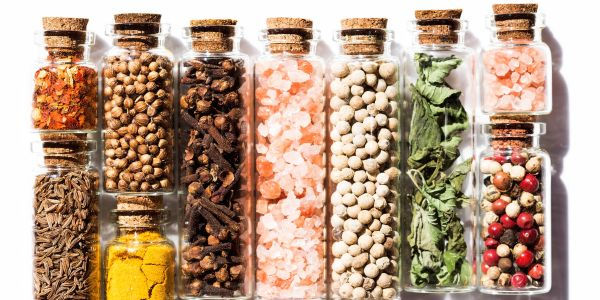
If I opened most people’s spice cupboards, I would probably find the same thing I have in my own.
A slightly overcrowded shelf. Half-used jars, some buried in the back never to see the light of day again. A packet of fennel seeds bought for one recipe that you did not even get to make. Cloves that only get wheeled out for a hot whiskey when you are dosed.
It is funny how we buy them with good intentions, usually because a recipe demands it or we have read something about them being good for us. And yet there they sit. Small but powerful pieces of plant food, quietly waiting in the kitchen.
When we start thinking about improving our health, whether that is digestion, blood sugar balance, inflammation or overall resilience, many people understandably look for something targeted. Powders. Probiotics. Protocols.
There is absolutely a place for supplements when clinically indicated. But we often overlook the steady, evidence-supported impact of culinary herbs and spices used consistently. Not as high-dose extracts. Just as food.
Let’s explore this lovely topic and rescue those forgotten packs and jars from the back of the press and give them something to do.
Because the health benefits of herbs and spices go far beyond flavour. Used daily in cooking, they are small but concentrated plant foods that add more to your meals than most of us realise. A clove of garlic in a sauce. Cinnamon stirred into porridge. Fresh basil torn over tomatoes. These small additions build over time. Weeks and months of consistent use increase your exposure to diverse plant compounds that support inflammatory balance, metabolic stability and digestive function. It is about what you use every day, and how those everyday choices quietly shape long-term health.
In this article, we will look at what the research says, how everyday culinary use supports long-term health, and how you can start using these herbs and spices more intentionally in your own kitchen.
The Health Benefits of Herbs and Spices: What the Research Says
Herbs and spices are not just flavour enhancers. They are concentrated plant foods.
They contain polyphenols and other plant compounds that have been studied for their roles in antioxidant activity, inflammatory balance and metabolic health. Polyphenols are naturally occurring compounds found in plant foods that help protect the body against everyday cellular stress.
These compounds do not simply pass through the body unchanged. Some are absorbed and used directly. Others travel further along the digestive tract, where they interact with the microbes that live in the gut. In practical terms, that means herbs and spices do more than add flavour. They contribute biologically active compounds that influence inflammation, digestion and metabolic balance over time.
One of the ways they help is by supporting the body’s ability to manage oxidative stress. This is a term used to describe everyday cellular wear and tear. It happens when unstable molecules build up faster than the body can deal with them. Over time, this contributes to ageing and increased disease risk. Many herbs and spices contain antioxidant compounds that help the body regulate this process more effectively.
Importantly, we are talking about culinary amounts used regularly within meals. The effects are subtle and cumulative. Large dietary pattern research consistently shows that diets rich in diverse plant foods are associated with better metabolic health, lower inflammatory markers and greater microbial diversity.
You may have heard the suggestion to aim for around 30 different plant foods per week to support gut and metabolic health. Herbs and spices count towards that variety. Even though they are used in smaller amounts, they still contribute unique plant compounds that broaden your overall intake.
A teaspoon here and a handful there. Over time, it is the pattern that matters.

Garlic: Everyday Plant Power in Your Kitchen
Garlic is probably the one herb everyone instinctively knows is good for you, and there is solid science behind that reputation.
Garlic contains inulin-type fibres, which act as prebiotics. In simple terms, they help feed beneficial gut bacteria. When crushed, garlic also forms allicin, a sulphur-containing compound studied for antimicrobial, anti-inflammatory and cardiovascular-supportive effects.
Used regularly, garlic contributes to:
Gut microbial balance
Inflammatory regulation
Cardiovascular markers such as blood pressure and lipid balance
Ways to use it more often:
Crush and allow it to sit briefly before cooking
Add generously to tomato-based sauces
Stir into soups, curries and chillies
Blend into hummus
Mix raw garlic with olive oil and lemon juice for a simple dressing
If you would like to explore gut health in more detail, you can read more here.

Turmeric: Supporting the Body’s Natural Inflammatory Response
Turmeric is often associated with joint support, and there is good reason for that.
Its active compound, curcumin, has been widely studied for anti-inflammatory and antioxidant effects. Inflammation is not just about sore joints. Low-grade inflammation plays a role in metabolic health, cardiovascular function and gut integrity.
Many supplement studies use concentrated extracts. Here, we are talking about culinary turmeric, the kind stirred into soups or curries.
Regular use contributes to overall phytonutrient intake and supports an anti-inflammatory dietary pattern. For maximum absorption it should be paired with black pepper.
Ways to use it more often:
Add to curries
Stir into soups and broths
Mix a pinch into scrambled eggs
Toss through roasted vegetables
Add to rice while cooking
Pair with black pepper
Check out this blog for a deeper dive into how diet influences inflammation.

Ginger: Practical, Versatile and Evidence-Backed
Ginger is one of the few herbs people often say they can actually feel working.
It has been well studied for digestive support. Research suggests it may help reduce nausea and support the natural movement of food through the digestive tract, easing that heavy or bloated feeling after meals.
Ginger also contains compounds studied for antioxidant and anti-inflammatory activity, with emerging research exploring its role in metabolic health.
Ways to use it more often:
Grate into stir-fries and curries
Blend into smoothies
Brew as a simple ginger tea
Add to soups or broths
Mix with lime and olive oil for a fresh dressing
It adds warmth and brightness to food while contributing beneficial plant compounds.
Cinnamon: Supporting Metabolic Stability
Cinnamon is one of the most researched culinary spices, particularly in relation to blood glucose regulation.
Several studies have explored its potential role in improving insulin sensitivity and reducing fasting blood glucose levels. The overall effect is modest, but consistent use may support more stable energy and blood sugar levels.
Cinnamon is also rich in polyphenols, contributing antioxidant activity and interacting with gut microbes.
Ways to use it beyond the obvious:
Stir into porridge or overnight oats
Add to stewed apples or pears
Sprinkle onto Greek yoghurt
Mix into coffee or cacao
Add to smoothies or homemade granola
Cinnamon naturally enhances perceived sweetness, which can help reduce reliance on added sugar. These Coconut Cacao Butter Protein Bars rely on cinnamon to deepen flavour and sweetness without needing excess sugar. It’s a simple example of how herbs and spices can shift how a food tastes and behaves in the body.
The Supporting Cast: Small Additions That Add Up
Garlic, turmeric, ginger and cinnamon get most of the attention, but many other herbs and spices quietly contribute to long-term health.
Fresh herbs are often underestimated. They are concentrated plant material, rich in polyphenols and aromatic compounds that give them their distinctive smell and flavour. These compounds contribute antioxidant and digestive-supportive properties.
Coriander
Traditionally used to support digestive comfort. Use generously in curries, salads and bean dishes.
Basil
Contains antioxidant compounds such as rosmarinic acid. Add to tomato sauces, pesto or salads.
Cumin
Often paired with beans and lentils to support digestive comfort. Use in chilli, soups or yoghurt dressings.
Chilli
Contains capsaicin, studied for its effects on circulation and metabolic function. Use thoughtfully in sauces and stir-fries.
Fennel Seeds
Traditionally used for bloating and gas. Brew as tea or add to roasted vegetables.
Cloves
Rich in antioxidant compounds. Use sparingly in stewed fruit or warm dishes.
Oregano, Rosemary and Thyme
Mediterranean herbs rich in plant compounds associated with antioxidant and anti-inflammatory activity. Use in sauces, roasts and marinades.
Individually, these are small additions. Collectively, they layer plant compounds across the week.

At a Glance: Everyday Herbs and Spices and Their Roles
Herb or Spice | Key Compounds | Supports |
Garlic | Allicin, inulin fibres | Gut microbiome, cardiovascular markers |
Turmeric | Curcumin | Inflammatory balance, antioxidant activity |
Ginger | Gingerols | Digestive comfort |
Cinnamon | Polyphenols | Blood glucose stability |
Cumin | Essential oils | Digestive comfort |
Fennel | Volatile oils | Bloating relief |
Basil / Coriander | Polyphenols | Antioxidant exposure |
Cloves | Eugenol | Antioxidant density |
Oregano / Rosemary / Thyme | Polyphenols | Anti-inflammatory dietary pattern |
Making It Practical: Building the Habit
Herbs and spices are not a magic fix. They will not replace a balanced diet, movement or sleep.
But they are one of the simplest tools for supporting long-term health.
To build consistency:
Keep four or five core spices visible on your counter
Add at least one herb or spice to every main meal
Rotate what you use week to week
Swap a jarred tomato sauce for tinned tomatoes simmered with garlic and oregano
Replace bottled salad dressing with olive oil, lemon juice and fresh herbs
Build stir-fries with garlic, ginger and chilli instead of pre-made sauces
Health is rarely built on dramatic interventions. It is built on repeated, everyday decisions.
Frequently Asked Questions
Are herbs and spices really good for you?
Yes. Culinary herbs and spices contain plant compounds associated with antioxidant and anti-inflammatory effects. Used consistently, they contribute to overall dietary quality.
Do small amounts make a difference?
Individually, the impact is subtle. Over time, repeated exposure contributes to cumulative plant compound intake.
Are dried herbs as beneficial as fresh?
Both contain beneficial compounds. Dried herbs still contribute meaningfully to dietary diversity.
Should I take supplements instead?
Supplements may be appropriate in specific situations. However, they should complement a nutrient-dense diet, not replace it. Even if you are taking supplements, continuing to use herbs and spices daily supports overall dietary quality.
Key Takeaways
Herbs and spices are concentrated plant foods.
Their health impact is subtle and cumulative.
Culinary use contributes to inflammatory, metabolic and digestive balance.
Small daily additions shape long-term dietary patterns.
Consistency matters more than high-dose extracts.
The Quiet Power of Everyday Use
Herbs and spices will not transform your health overnight. They will not replace foundational habits.
But they are one of the simplest ways to increase exposure to diverse plant compounds that support inflammatory balance, metabolic stability and digestive comfort.
They make whole foods taste better, which makes healthy eating easier to sustain.
Before adding anything new to your supplement shelf, open the cupboard and see what is already there.
Those forgotten jars may have more to offer than you realised.
And that is a very good place to start.
Further Reading
If you would like to explore related topics:
Stay in the Loop
If this steady, food-first approach makes sense to you, I share practical, evidence-based nutrition insights in my weekly email. You can sign up here and receive them straight to your inbox.


Comments